Towns and Cities in qatar: List, Map, and Population Insights
Qatar, officially known as the State of Qatar, is a small yet highly influential country on the Arabian Peninsula. Despite its compact size, it boasts a diverse blend of modern cities, traditional towns, and developing industrial hubs. The capital city, Doha, stands as the political, cultural, and economic heart of the nation, but Qatar’s urban identity is not limited to its capital alone. From Al Wakrah’s coastal heritage to Ras Laffan’s industrial might, and from historic towns like Al Khor to growing residential centers like Al Rayyan, the landscape of Qatar is dotted with unique settlements that together reflect its rapid modernization and cultural roots.how many cities in qatar?
Top 10 cities in Qatar
Major Towns & Cities in Qatar
Qatar’s classification of cities varies depending on the definition used. By international standards, the country may be considered to have only one main city (Doha), but local government records and population databases list many more urban areas, towns, and districts.
Cities in Qatar near Doha
Cities in Qatar Near Doha
Explore nearby cities and towns around Doha — perfect for short trips and day visits.
Nearby Cities & Towns
- 📍 Al Wakrah – ~17 km south of Doha, known for its beautiful Corniche and Souq Al Wakrah.
- 📍 Al Rayyan – ~10 km west, home to Education City and Ahmad Bin Ali Stadium.
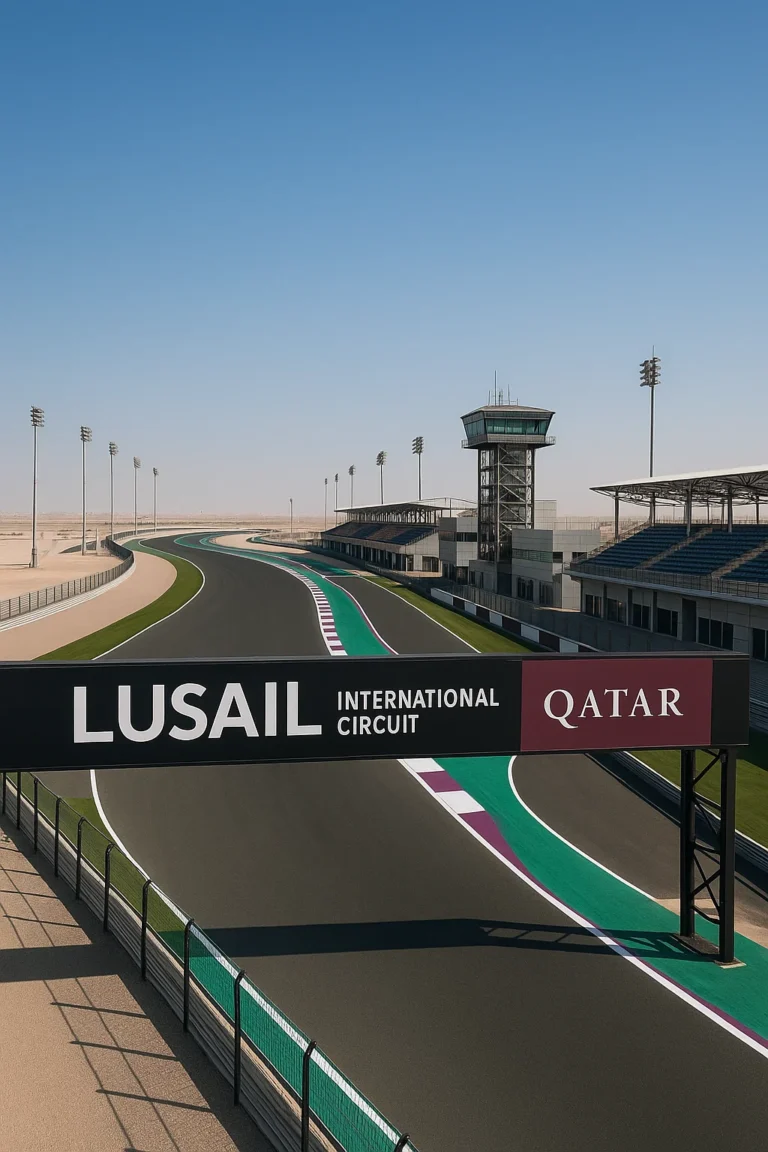
- 📍 Lusail City – ~20 km north, Qatar’s modern smart city with Lusail Stadium.
- 📍 Umm Salal – ~25 km north-west, famous for Umm Salal Fortress.
- 📍 Al Khor – ~50 km north, coastal city known for beaches and mangroves.
- 📍 Dukhan – ~80 km west, industrial town with scenic beaches.
Cities in qatar And Administrative Divisions
List of cities in qatar is officially divided into eight municipalities, which serve as the country’s primary administrative regions:
| Municipality | Notes |
|---|---|
| Al Shamal | Northernmost municipality. |
| Al Khor | Known for its coastal city, Al Khor. |
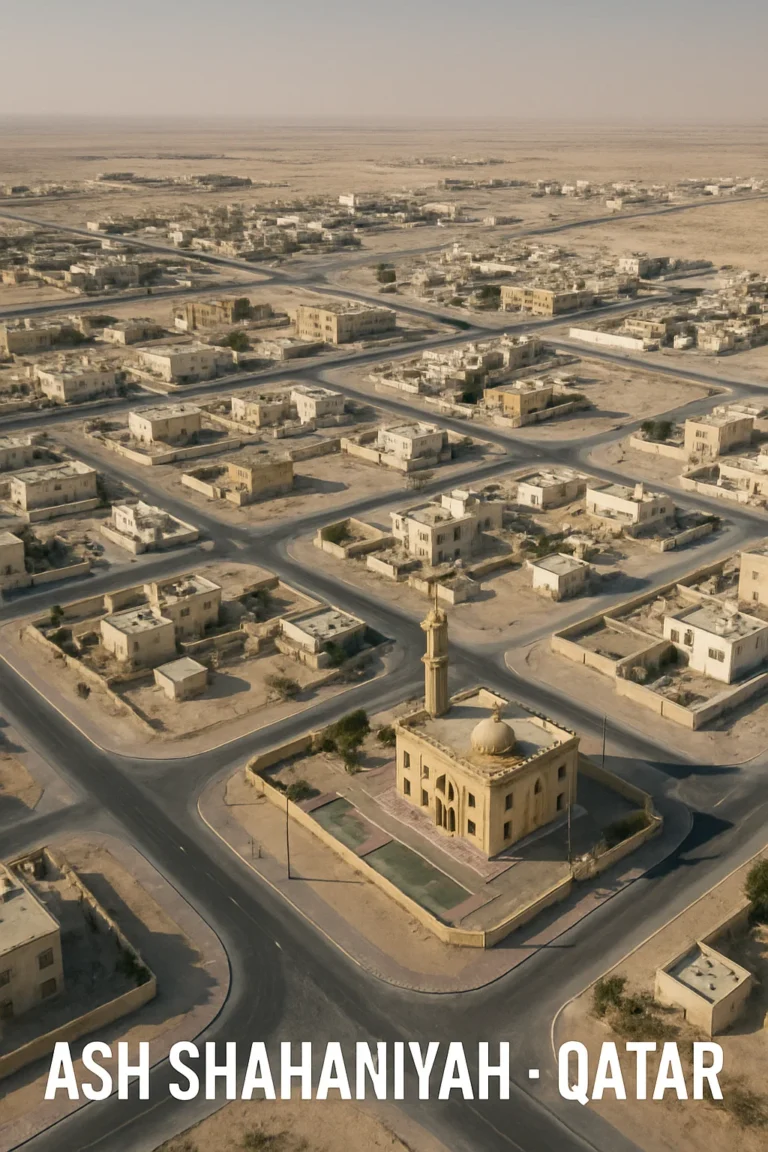
| Al-Shahaniya | Includes desert areas and smaller settlements. |
| Umm Salal | Contains historic towns like Umm Salal Mohammed. |
| Al Daayen | A growing municipality with new urban development. |
| Doha (Ad Dawhah) | The capital and most populated municipality. |
| Al Rayyan | A major economic and residential center. |
| Al Wakra | An ancient coastal city and fast-developing municipality. |
Cities by Population and Prominence
- Doha – The capital and largest city, home to the majority of Qatar’s population.
- Other Major Cities/Towns – Al Rayyan, Al Khor, and Al Wakrah are notable for their population size, economic activity, and cultural significance.
Variation in City Counts
- Databases – Some population databases (e.g., Simplemaps.com) list as many as 89 prominent cities in Qatar.
- Extended Lists – Broader lists of cities and districts (such as those on Scribd) may contain 100+ locations, covering both major urban areas and smaller localities.
Major Cities and Notable Towns in Qatar
Qatar is home to several important cities and towns, ranging from the capital, Doha, to historic coastal settlements. While some areas are vibrant urban centers, others reflect the nation’s heritage or remain largely uninhabited.
| Category | City / Town | Details |
|---|---|---|
| Major Cities | Doha | Capital and largest city; Qatar’s business, cultural, and population hub. |
| Al Rayyan | One of the largest cities; grew from small villages into a modern area. | |
| Al Wakrah | Ancient municipality, historically a fishing and pearling village. | |
| Al Khor | Coastal city in the north, named after the creek it was built on. | |
| Al Shamal (Madinat ash Shamal) | “City of the North”; capital of Al Shamal Municipality. | |
| Mesaieed | Key city for Qatar’s industrial sector. | |
| Dukhan | Urban center combining traditional and modern architecture. | |
| Notable Towns & Villages | Al Zubarah | Historic coastal town; UNESCO World Heritage Site. |
| Al Ruwais | Coastal settlement in northern Qatar. | |
| Umm Salal Mohammed | Historic town blending traditional heritage with modern development. | |
| Khawr al Udayd | Largely uninhabited; known for its ecosystem and as a tourist destination. | |
| Al Jumail | Historic rural coastal settlement. |
In this article, we’ll explore the towns and cities in Qatar, their population demographics, cultural significance, and the roles they play for both residents and visitors. We’ll also look at a map overview, highlight the best towns and villages to visit, and provide a handy FAQ section at the end.
Cities, Towns & Villages in Qatar
Explore a complete list of Qatar’s major cities, towns, and villages — from the capital Doha to the smallest desert communities.
🏙️ Major Cities in Qatar
- 📍 Doha (Capital City)
- 📍 Al Rayyan
- 📍 Al Wakrah
- 📍 Al Khor
- 📍 Lusail City
- 📍 Dukhan
- 📍 Mesaieed
- 📍 Umm Salal Mohammed
- 📍 Al Shamal (Madinat ash Shamal)
- 📍 Al Daayen
🏘️ Towns in Qatar
- 📍 Al Gharafa
- 📍 Al Wukair
- 📍 Al Thakhira
- 📍 Abu Samra
- 📍 Al Kheesa
- 📍 Umm Bab
- 📍 Al Karaana
- 📍 Al Shahaniya
- 📍 Rawdat Al Hamama
- 📍 Al Khurayb
- 📍 Ras Laffan Industrial City
- 📍 Mesaimeer
- 📍 Al Utouriya
- 📍 Simaisma
- 📍 Al Ghuwairiya
🏡 Villages in Qatar
- 📍 Al Jumail
- 📍 Al Mafjar
- 📍 Freiha
- 📍 Zubarah
- 📍 Umm Tais
- 📍 Abu Dhalouf
- 📍 Ain Sinan
- 📍 Al Ruwais
- 📍 Al Huwaila
- 📍 Umm Al Amad
- 📍 Al Sakhama
- 📍 Ras Abrouq
- 📍 Al Areesh
- 📍 Al Kharaitiyat
- 📍 Al Mashrab
Overview of Qatar’s Cities
Qatar is home to a relatively small number of cities and towns, but each settlement plays a key role in the nation’s story. Over 90% of Qatar’s population resides in Doha and its metropolitan area, reflecting the country’s high level of urbanization. This concentration around the capital is due to better job opportunities, modern infrastructure, education, and healthcare facilities.
- List of towns and cities in Qatar: Doha, Al Wakrah, Al Khor, Al Rayyan, Dukhan, Ras Laffan, Umm Salal Mohammed, Umm Salal Ali, Al Jumaliyah, Al Ghuwariyah, and several small villages.
- According to the Qatar cities database, the population continues to grow annually, with projections indicating higher urban density by 2025.
- The combination of oil wealth, gas reserves, and ambitious infrastructure projects has transformed these cities from fishing villages into bustling modern hubs.
Urbanization in Qatar is not just about skyscrapers—it also reflects the coexistence of tradition and modernity. While Doha shines with futuristic skylines, smaller towns like Umm Bab and Abu az Zuluf remind visitors of Qatar’s simpler past.
Must-See Attractions in the Area
Al Khor Area
- • Al Bayt Stadium
- • Al Khor Towers and the Ain Hleetan Well
- • Al Farkiah Beach
- • Al Khor Park and Zoo
- • Al Thakira Mangroves
- • Purple Island
Zekreet & Dukhan Area
- • Dukhan Beach
- • Zekreet
- • Richard Serra’s East-West/West-East
- • Film City
Al Ruwais Area
- • Arsan Café
- • Al Ruwais Beach
- • Abu Dhalouf Park
Sealine & Mesaieed Area
- • Sealine Beach
- • Singing Sand Dunes
Major Cities in Qatar
Doha – The Capital City of Qatar
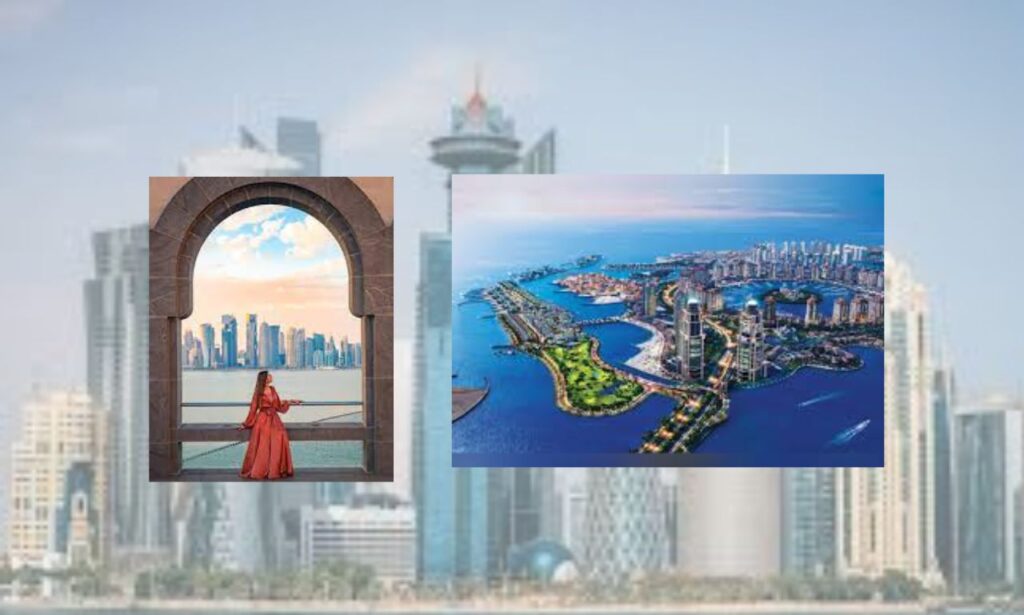
Doha is the capital city of Qatar and home to nearly 2.3 million people, which accounts for the majority of the nation’s population. It is the country’s political, economic, and cultural hub. The city features:
- The Corniche, a waterfront promenade with stunning views of skyscrapers.
- The Museum of Islamic Art and the National Museum of Qatar showcasing the country’s history and culture.
- Major financial centers, luxury hotels, and educational hubs, such as Education City.
Doha is ranked among the largest cities in Qatar and is also considered one of the wealthiest cities in the world, thanks to its wealth generated from oil and natural gas.
Al Wakrah – The Second City
Once a small fishing and pearling village, Al Wakrah has transformed into the second-most important city in Qatar. Located south of Doha, it is famous for:
- Al Wakrah Souq and traditional markets.
- Al Janoub Stadium, one of the venues for the FIFA World Cup 2022.
- A growing port and coastal economy.
Al Wakrah’s development highlights Qatar’s efforts to distribute urban growth beyond Doha.
Al Khor (Al Khawr)
Al Khor is a coastal city located to the north of Doha. Historically, it was known for its fishing and pearling heritage. Today, it has become a popular residential and recreational city, with:
- Al Bayt Stadium (hosted FIFA World Cup matches).
- Beautiful mangroves and beaches.
- A family-friendly environment with parks and cultural centers.
Al Rayyan
Al Rayyan is one of the largest residential areas in Qatar, with a population of over 600,000 people. It is home to:
- Qatar University campuses and educational institutions.
- Stadiums for the FIFA 2022 tournament, such as the Education City Stadium.
- A balance between modern residential developments and traditional Qatari neighborhoods.
Dukhan
Located on the western coast, Dukhan is an industrial town primarily known for its oil industry. It is less populated compared to Doha and Al Rayyan, but remains critical to Qatar’s economy due to oil production facilities.
Ras Laffan
Ras Laffan is an industrial city and one of the most important hubs for liquefied natural gas (LNG) production. It symbolizes Qatar’s role as a global leader in natural gas exports. While it has a small residential population, its economic contribution is immense.
Together, these major cities represent the backbone of Qatar’s economy, culture, and population growth.
Towns and Villages in Qatar
Beyond the big cities, Qatar is dotted with small towns and villages that preserve traditional lifestyles and heritage.
- Umm Salal Ali & Umm Salal Mohammed – Known for old forts, farms, and growing residential areas.
- Abu Az Zuluf – A quiet village with fishing traditions.
- Al Jumaliyah – Once a bustling area, now partly abandoned but rich in Qatari history.
- Al Ghuwariyah – A small settlement north of Doha.
- Umm Bab – Known as the “Palm Tree Town” due to its farms.
For travelers, the best villages in Qatar to visit are those that still showcase heritage homes, traditional souqs, and the natural beauty of the desert.
Cities in Qatar by Population
Qatar’s urban centers vary significantly in size and population.
- Doha: ~2.3 million (2023)
- Al Rayyan: ~600,000
- Al Wakrah: ~100,000+
- Al Khor: ~200,000
- Umm Salal (combined): ~90,000
- Dukhan & Ras Laffan: Smaller populations but significant industrial presence
According to projections, the Qatar cities by population in 2025 will continue to be dominated by Doha, but satellite towns like Al Wakrah and Al Rayyan are expected to grow rapidly.
Map and PDF Resources
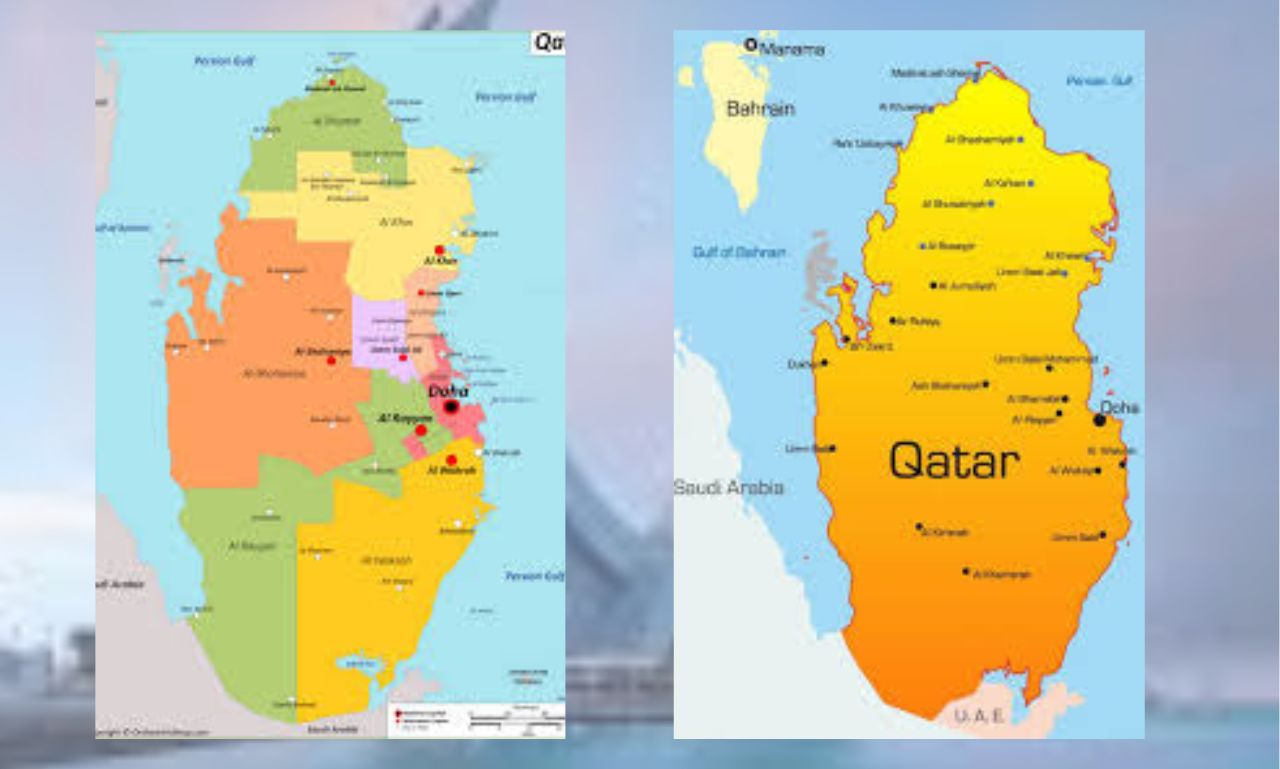
- Towns and cities in Qatar map: A geographic map showing the locations of major and minor cities.
- Towns and cities in Qatar: Downloadable guides are available online, providing population data, geography, and economic profiles of each city.
For researchers and students, these maps and PDFs act as valuable references when studying Qatar’s urban development.
Best Cities in Qatar to Visit
Tourists often wonder which towns and cities in Qatar are the best to explore. While Doha is a must, there are other gems too:
- Doha – For modern attractions, museums, and the Corniche.
- Al Wakrah – For coastal charm and souqs.
- Al Khor – For mangroves and fishing heritage.
- Al Rayyan – For education and sports stadiums.
- Dukhan – For oil history and desert landscapes.
- Umm Bab – For a more traditional experience.
- Ras Laffan – Industrial tours for those interested in energy.
These cities highlight both the traditional and futuristic aspects of Qatar.
FAQs
Q1: How many cities are in Qatar?
Qatar has around 8–10 major cities and several villages, but most of the population is concentrated in Doha and Al Rayyan.
Q2: Which is the richest city in Qatar?
Doha is the richest and most developed city, home to luxury hotels, financial districts, and major industries.
Q3: What is the second-largest city after Doha?
Al Rayyan is considered the second-largest by population, followed by Al Wakrah.
Q4: Are there villages in Qatar worth visiting?
Yes, villages like Umm Bab and Umm Salal offer a glimpse into traditional Qatari culture.
Q5: What are the top 10 cities in Qatar?
Doha, Al Rayyan, Al Wakrah, Al Khor, Dukhan, Ras Laffan, Umm Salal Mohammed, Umm Salal Ali, Al Jumaliyah, and Abu az Zuluf.
Conclusion
Qatar may be small in size, but its cities and towns reflect a fascinating mix of history, tradition, and rapid modernization. From the bustling streets of Doha to the quiet heritage villages, every settlement contributes to Qatar’s national identity. With urbanization on the rise and ambitious development projects underway, Qatar’s towns and cities are expected to continue growing in population, influence, and global recognition. Whether you’re a resident, researcher, or traveler, understanding the geography of Qatar’s urban centers offers deep insights into the country’s past, present, and future.