
Culture & History
Qatar, a small yet influential country in the Arabian Peninsula, boasts a unique blend of rich cultural heritage and a progressive, modern outlook. Its history stretches back thousands of years, from its early settlement as a pearling hub to its rapid development into a global leader in energy, culture, and technology. Explore Qatar’s cultural roots and historical milestones that have shaped it into the dynamic nation we see today.
Traditions of Qatar During Ramadan
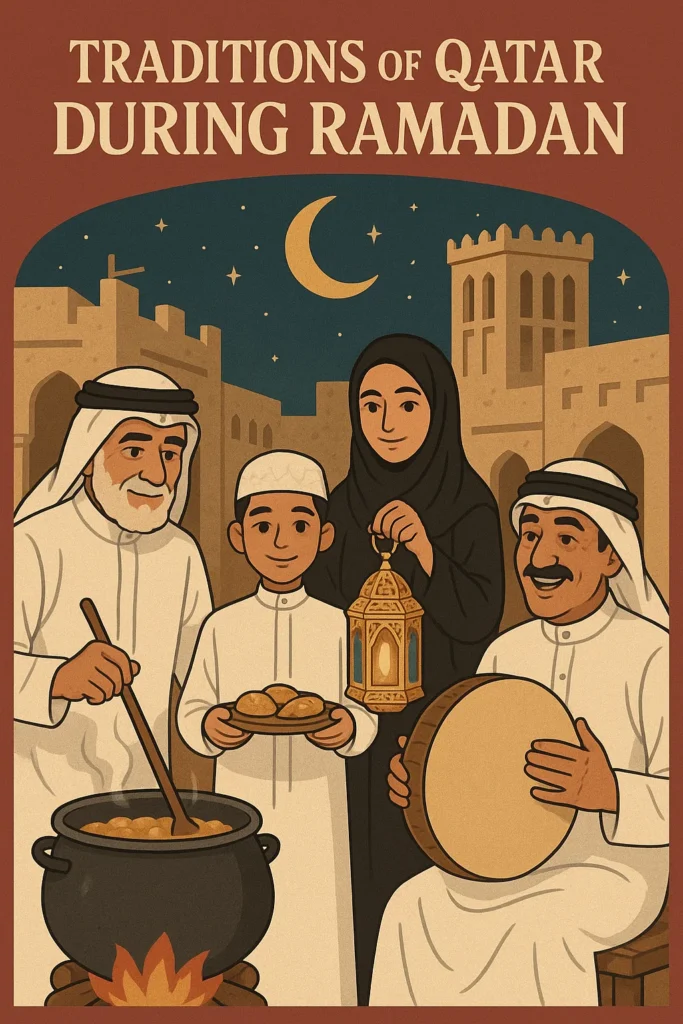
Ramadan in Qatar is a deeply spiritual and communal time, filled with age-old traditions that bring families and neighbors together. It is a month that blends faith, food, and festivity — a reflection of Qatar’s cultural richness and Islamic heritage.
The Majlis and the Spirit of Gathering
At the heart of Qatari tradition lies the majlis — a communal sitting area where family and friends gather to share stories, exchange greetings, and enjoy traditional meals after sunset. During Ramadan, the majlis becomes even more special, offering a warm setting for iftar and ghabga meals, where the essence of Qatari hospitality shines brightest.
The Beginning and End of the Fast
Fasting in Qatar begins at sunrise after suhoor — the pre-dawn meal that must sustain one throughout the day. The end of the fast, known as iftar, is marked at sunset by the firing of the iconic Ramadan cannon. Though its origins are debated — some trace it to Egypt, others to the Ottoman Empire — the cannon was historically fired so its sound could reach everyone, signaling it was time to eat.
In Qatar, this beloved tradition continues today and is broadcast live on Qatar TV. Visitors can experience it in person at Souq Waqif, Katara Cultural Village, Muhammad Ibn Abdul Wahhab Grand Mosque, and Souq Al Wakra.
From Fasting to Feasting
Once the fast is broken, the celebration of food begins. Iftar is often followed by ghabga — a later night meal shared among family and friends. Despite Ramadan being known for fasting, it’s also a time when many special dishes are prepared that have graced Qatari tables for generations.
Popular Ramadan dishes include:
- Harees – a comforting mix of pounded meat, wheat, olive oil, and cinnamon.
- Al Thareed – crispy flatbread layered with a rich soup of lamb, chicken, or vegetables.
- Al Luqaima – golden fried dough balls drenched in sugar syrup, often flavored with rose or orange blossom water.
Life After Sunset
As the sun sets, Doha transforms. Markets, cafés, and cultural venues reopen, and the streets fill with families enjoying the night air. Mosques hold Taraweeh prayers after Isha, where worshippers aim to complete reciting the entire Qur’an by the end of the month. Ramadan nights in Qatar are vibrant yet peaceful, filled with the sound of prayer and the aroma of traditional foods.
Garangao: A Celebration for Children
Midway through Ramadan, on the 14th night, Qatar celebrates Garangao — a joyful tradition unique to the Gulf region. Originally created to reward children for attempting to fast, it has evolved into a beloved community celebration. Families gather for ghabga and distribute Garangao bags filled with nuts, sweets, and candies to children, who roam neighborhoods singing the traditional “Gara” song. The word gara comes from the Khaliji term for “knocking,” symbolizing the sound of sweets clinking in bags or children knocking on doors.
Delicious Dates of Qatar
No Ramadan table is complete without dates — the traditional food to break the fast. Qatar is home to many delicious varieties, often enjoyed plain or stuffed with nuts. Dates not only provide instant energy after a long fast but also hold religious and cultural significance in Qatari households.
Good to Know: Ramadan Etiquette in Qatar
Ramadan in Qatar is a beautiful and meaningful time, but visitors should observe a few customs to show respect for local traditions.
Recommended:
- Check working hours, as many businesses and restaurants operate on adjusted schedules.
- Dress modestly in public areas.
- Greet people with “Ramadan Kareem” or “Mubarak Alaikum Al Shahar.”
Not Recommended:
- Eating, drinking, or smoking in public during daylight hours.
- Playing loud music or showing public affection.
- Wearing revealing or inappropriate clothing.
Eid Traditions in Qatar
Eid in Qatar is a time of joy, family gatherings, and cultural celebrations. The country observes two major Eid festivals each year: Eid Al Fitr and Eid Al Adha, each carrying unique traditions, religious significance, and festive activities.
Festival of Breaking the Fast – Eid Al Fitr
Eid Al Fitr, literally translating to the “festival of breaking the fast,” is celebrated on the first day of Shawwal, the 10th month of the Islamic lunar calendar, immediately after Ramadan. Charity, or Zakat Al-Fitr, is an essential part of this celebration, with families across Qatar donating to preferred causes and helping those in need.
As a national holiday, schools, offices, and businesses typically close in the morning, allowing families and neighbors to come together. Throughout Qatar, public spaces and malls are transformed with festive decorations, interactive exhibits, and family-friendly activities. The joyful atmosphere extends into cultural performances, community gatherings, and special events that mark the end of Ramadan.
Feast of the Sacrifice – Eid Al Adha
Eid Al Adha, or the “Feast of the Sacrifice,” occurs at the conclusion of Hajj, the annual pilgrimage to Mecca, and falls on the 10th day of Dhul-Hijjah, the final month of the Islamic lunar calendar. This holiday commemorates the story of Prophet Ibrahim, who was asked to sacrifice his son Ismail as a test of faith. According to Islamic tradition, God intervened and replaced Ismail with a ram, a story that inspires Muslims to perform acts of charity and devotion.
In Qatar, families reenact this act symbolically by offering an animal sacrifice and distributing the meat to relatives, friends, and the less fortunate. Like Eid Al Fitr, the day begins with morning prayers, followed by large family feasts, gift exchanges, and children receiving “Eidiyah”, small sums of money as a token of celebration. Public spaces such as Katara Cultural Village and Aspire Park host interactive shows, outdoor events, and festive activities for the whole community.
Eid Greetings in Qatar
Exchanging greetings is an integral part of Eid celebrations in Qatar. Some common phrases include:
- Eid Mubarak – Blessed Eid or Happy Eid
- Eid Saeed – Happy Eid
- Kul ‘am wa enta bi-khair – May every year find you in good health
- Taqabbala Allahu minna wa minkum – May Allah accept from us and from you
- As-Salam-u-Alaikum – Peace be upon you
Using these greetings shows respect for local customs and helps visitors connect with the community during the festive period.
Your Perfect Guide to Eid in Qatar
Make the most of Eid 2025 in Qatar by exploring cultural experiences, special iftar and suhoor offers, and ongoing Ramadan events using the Visit Qatar mobile app. Whether you’re interested in traditional celebrations, family-friendly activities, or interactive exhibitions, the app provides all the information you need for a seamless and memorable Eid experience.
Qatar’s Most Gorgeous & Unique Mosques
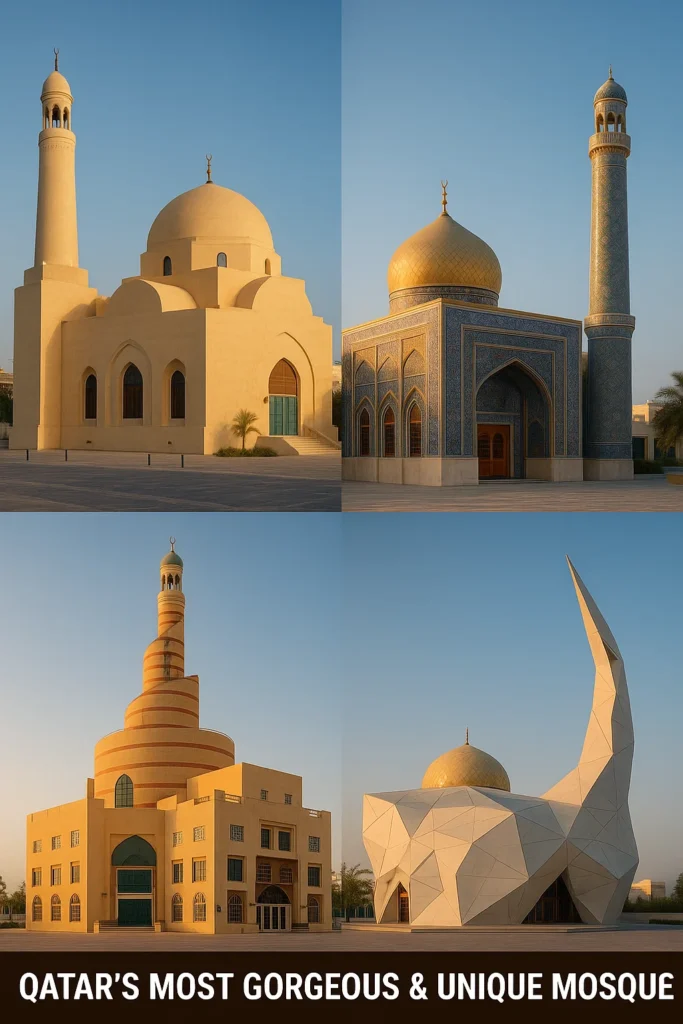
Qatar is home to some of the most stunning mosques in the world, where breathtaking architecture meets rich cultural heritage. Explore these iconic mosques on your visit to Doha and beyond.
Sheikh Abdulla Bin Zaid AlMahmoud Mosque
One of Doha’s most famous landmarks, the Sheikh Abdulla Bin Zaid AlMahmoud Mosque, is a spiral-shaped mosque located near Souq Waqif and the Museum of Islamic Art. Its unique design blends modern style with traditional significance, creating a serene space perfect for reflection and photography. Visitors love its striking architecture and tranquil atmosphere.
Imam Abdul Wahhab Mosque
The Imam Abdul Wahhab Mosque, also known as the Qatar State Grand Mosque, stands atop a hill overlooking Doha. It elegantly combines traditional Islamic elements with contemporary touches, making it a grand and peaceful cultural landmark. The mosque offers panoramic views and is a must-see for anyone exploring Qatar’s heritage.
Education City Mosque
Located within the Qatar Faculty of Islamic Studies, the Education City Mosque showcases modern architecture inspired by traditional designs. Its calm and spiritual atmosphere provides an ideal place for worship and contemplation, while also attracting architecture enthusiasts from around the world. This mosque perfectly reflects the harmony between faith and education in Qatar.
Zekreet Mosque
The historic Zekreet Mosque is a testament to Qatar’s rich heritage. Its distinctive architecture and cultural significance make it a must-visit for those interested in exploring the country’s history and traditional craftsmanship. The surrounding area offers an immersive glimpse into Qatar’s past, making it a favorite for culture and history enthusiasts.
A Taste of Qatari Culture
When you visit Doha, make sure to enjoy some of the city’s most famous treats: sweet, sticky dates. These local delicacies are enjoyed fresh, dried, or processed. Bursting with natural sugars, dates turn a beautiful tan-brown under the hot sun. In Qatar, dates are a part of daily life and are often served with coffee as a symbol of hospitality and warmth.
Fresh Qatari dates are a daily staple and a symbol of hospitality.
Qatar’s Date Production
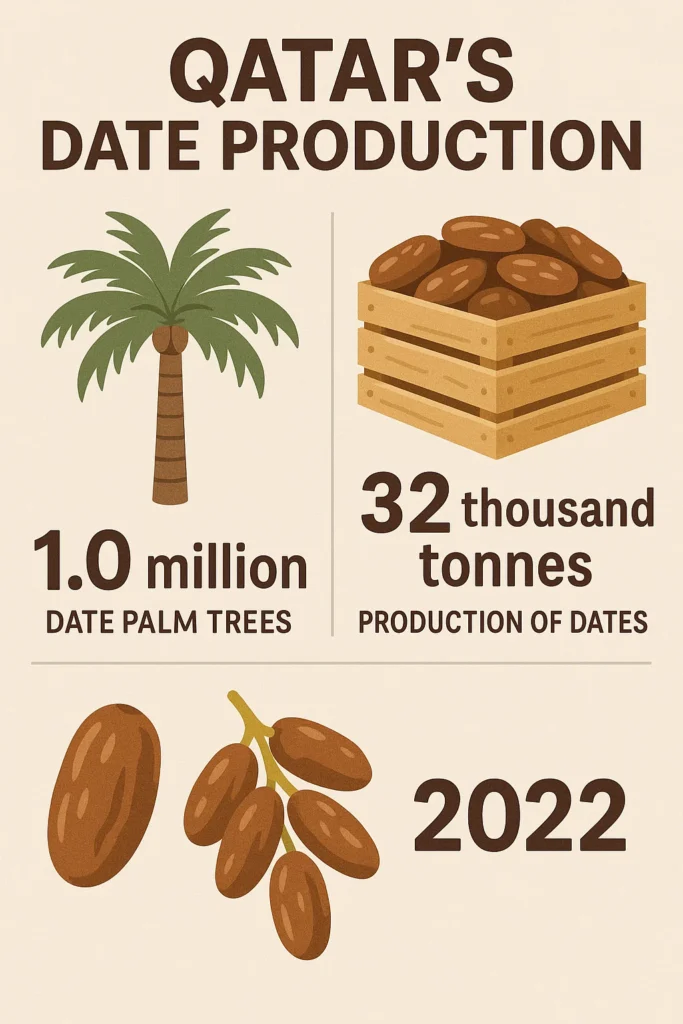
Dates are the most cultivated fruit in the Arab Peninsula, thriving in Qatar’s climate. In 2022, the country produced over 30,000 tonnes of dates, reflecting their importance in both local diets and cultural traditions.
Date farms in Qatar produce thousands of tonnes each year.
One of the Oldest Cultivated Fruits
Dates have been harvested for at least 6,000 years, making them one of the oldest cultivated fruits in the world. Ancient records show that date palms have been a vital part of life and trade throughout the region, maintaining their popularity even today.
Date cultivation has been a part of Qatari culture for thousands of years.
Dates on the Qatari Emblem
The significance of dates extends beyond the table. The national emblem of Qatar features two date palms alongside a traditional dhow, all designed in Qatar’s maroon color. The emblem represents the trinity of sand, sea, and sky, highlighting the cultural and historical importance of dates in Qatari identity.
Dates are featured on the Qatari national emblem, symbolizing heritage and prosperity.
Life Tastes Sweet with Dates
Dates are eternally popular in the Middle East for many reasons. In Islamic tradition, dates are believed to strengthen the body and mind and are particularly consumed and distributed during the holy month of Ramadan. As a versatile fruit, dates are suitable for preserving, jam-packed with nutrients, and thrive in Qatar’s warm, dry climate.
Varieties of Dates in Qatar
Qatar is home to a rich variety of dates, each differing in taste, texture, and appearance. Some of the popular types include: Khalas, Shishi, Barhi, Zahidi, Khudri, Al Sufawi, Sufri, Khunaizi, Sukkari, Nabut Saif, and Silji.
Experience Date Harvesting
For an immersive experience, visit Heenat Salma Farm between June and October. Join in the harvest and even learn the traditional art of palm weaving, a skill passed down for generations.
Local Dates Festival
During the summer, Qatar celebrates the Local Dates Festival, held at the end of July. It is the perfect opportunity to sample the finest dates, smoothies, and jams from local farmers, and discover rare varieties that are otherwise hard to find.
Where to Buy the Best Dates
A trip to Qatar is incomplete without purchasing dates as souvenirs. They have a long shelf life and are ideal gifts for friends and family. Popular places include Souq Waqif and specialty date shops throughout Doha.
Discover Souq Waqif: Doha’s Historic Market
Built on the site of Doha’s century-old trading market, Souq Waqif offers a fascinating glimpse into Qatari life. Its winding alleys, mud-daubed buildings, and vibrant atmosphere bring together tradition and modernity, making it one of Doha’s top cultural destinations.
Top Things to Do in SouqWaqif
- Gold Souq – Explore intricate headpieces, necklaces, and everyday gold jewelry, reflecting Middle Eastern traditions.
- Falcon Souq – See majestic falcons up close and even pose with one under a shopkeeper’s guidance.
- Camel and Horse Viewing – Visit the camel pens or Emiri Stables to admire Arabian horses and camels.
- Retail Therapy – Discover shoes, antiques, handicrafts, rugs, and musical instruments like the oud.
- Art Appreciation – Visit the Souq Waqif Art Centre to see local artwork and participate in workshops.
- Spice Souk – Enjoy exotic spices, dried flowers, black lemons, dates, honey, and coffee beans.
- Pearl Shops – Learn about Qatar’s pearling history and see varieties of pearls.
- Beauty Products – Shop for oudh, musk, perfumes, kohl, argan oil, and henna.
- Local Cuisine – Sample samosas, margoog, karak tea, regag crepes, Makhboos, Fahsa, kunafas, and baklava.
- Relax at Cafes – Enjoy Arabic coffee, fruit juices, shisha, and games like backgammon.
- Dine in Style – Experience Parisa, a Persian-style eatery with exquisite décor and authentic cuisine.
- Street Performances – Enjoy cultural shows, costume parades, and exhibitions, especially during festivals and Eid.
SouqWaqif is a bustling hub of sights, sounds, and scents, offering a rich sensory experience that embodies Qatar’s culture. With a rating of 4.5/5 from 9,000+ reviews, it is a must-visit for anyone in Doha.
How to Get There
Souq Waqif is easily accessible via car, taxi, or Uber, with underground parking available. Alternatively, take the Gold Line Metro (Ras Bu Aboud to Souq Waqif station) for convenient public transport access.
The Art of Making Arabic Coffee
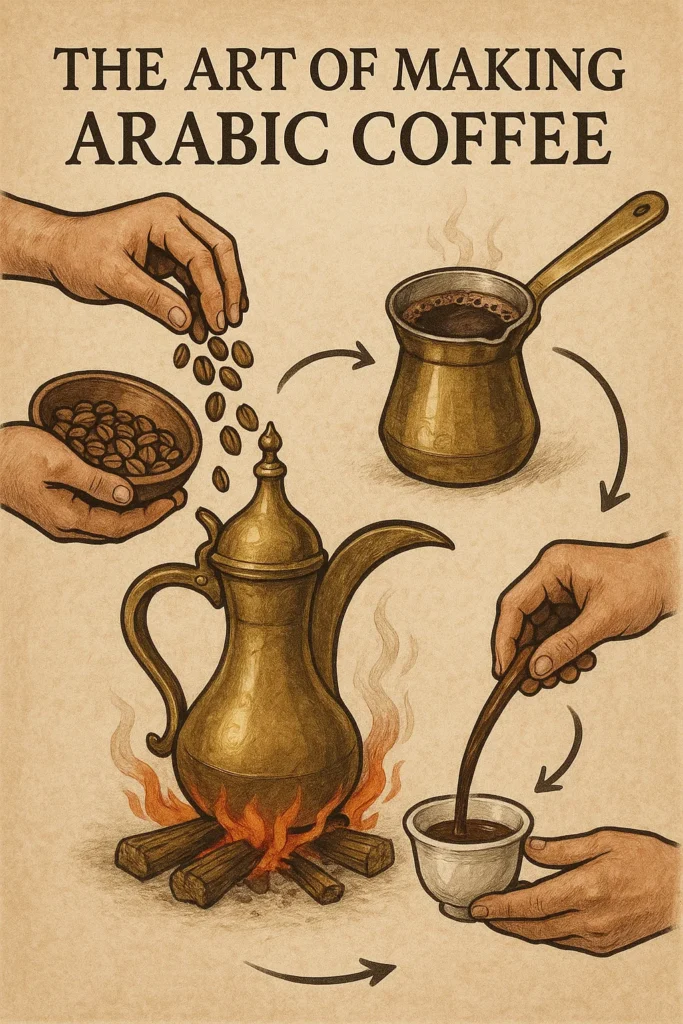
Ask for Arabic coffee at any coffee shop in Qatar, and you’ll be served a small cup of aromatic, gold-hued qahwa (pronounced gahwa). This traditional drink is much more than just coffee—it is a symbol of hospitality, culture, and family heritage in Qatari households.
Although instant, pre-mixed coffee powders are available and popular with the younger generation, elders often consider them an insult. In Qatar, the coffee-making ritual is taken very seriously, with tribes and families maintaining their own signature recipes passed down through generations.
Ingredients and Preparation
The best quality green coffee beans are sourced from wholesale shops, especially in Souq Waqif, alongside traditional ingredients such as saffron, cardamom, cloves, and dried shaiba leaves (black stone flower). Saffron, the most expensive ingredient, is carefully selected or imported from Iran. While some people buy pre-roasted and ground beans, many prefer to roast and grind the beans themselves for the freshest taste.
Every family has their own touch: the color of the coffee can range from light to dark, and the spice ratios vary according to preference.
How to Make Qahwa Like a Local
- Roast the beans – Use a mihmas (roasting spoon) to roast coffee over a flame. Heat water in a khumrah (large coffee pot).
- Grind the beans – Cool roasted beans in a mubarrid (wooden container), then grind in a hawan (mortar and pestle). Aim for slightly coarse grounds to avoid residue in the finjan (small cup). Alternatively, use a coffee grinder.
- Simmer with spices – Add the ground coffee to boiling water in the khumrah along with cardamom and other preferred spices. Let it simmer gently.
- Transfer to the dallah – Pour the coffee into a dallah (traditional coffee pot). For authenticity, insert a palm-fiber sieve into the spout or use a local strainer while pouring.
- Serve and enjoy – Pour the coffee into fanajin (plural of finjan, small handleless cups) and enjoy with kholas dates, chosen for their mild toffee flavor. If dates aren’t your favorite, any sweet treat complements the coffee perfectly.
Qatar is a paradise for coffee enthusiasts, and discovering the best spots for traditional Arabic coffee is an experience in itself. From Souq Waqif to boutique cafés across Doha, the ritual of coffee-making remains an enduring symbol of hospitality, heritage, and warmth.
Pearls of Qatar
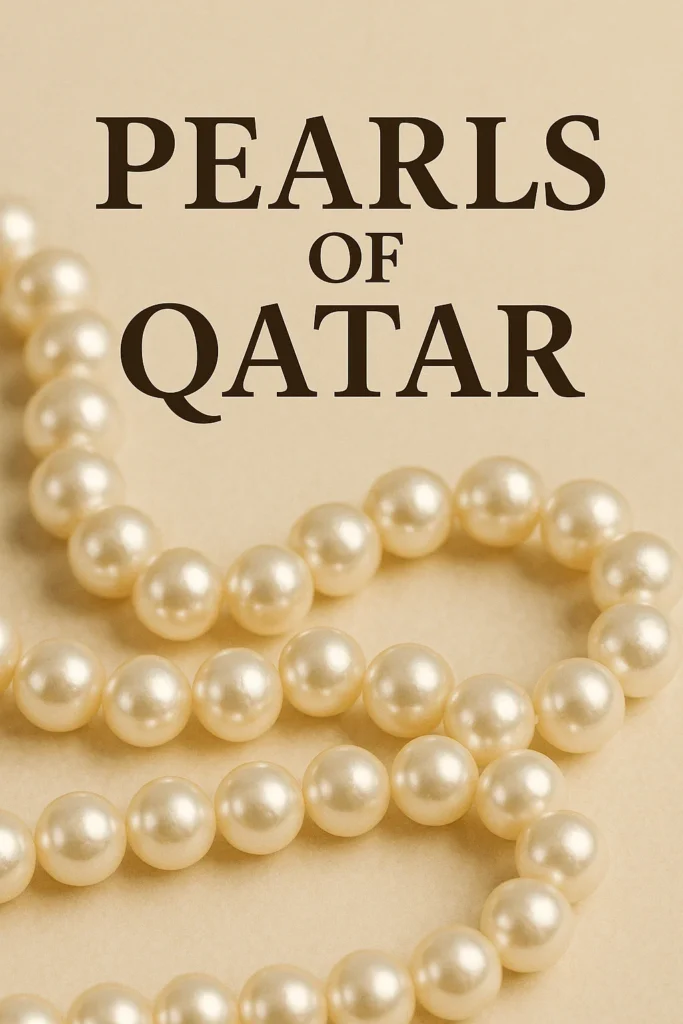
Pearls and Qatar are forever intertwined. The nation’s rich pearling heritage continues to shine through museums, festivals, iconic attractions, and local folklore, preserving a story of resilience, craftsmanship, and cultural pride. Even today, these iridescent gems hold a special place in Qatari culture, reflecting centuries of tradition and skill.
A Rich Legacy of Pearl Diving
For generations, Qataris lived in harmony with both the sea and desert, following seasonal rhythms dictated by nature. In the summer, many embarked on perilous pearling expeditions aboard traditional wooden dhows, armed with simple tools like ropes, diving weights, and baskets. These journeys were physically demanding and often dangerous, but they helped shape the endurance, courage, and heritage that define Qatari identity to this day.
Fascinating Facts About Qatar’s Pearls
- Oldest known natural pearl: Discovered in a Neolithic grave dating back to 4600 BCE.
- Ancient currency: Pearls were not only worn as jewellery but also used as a medium of trade.
- Diving depths: Freedivers spent months at sea, often plunging to depths of 30 metres or more to harvest these treasures.
Exploring Qatar’s pearling history is like diving into the past—an adventure that reveals the resilience, artistry, and enduring cultural significance of these treasured gems.
Oud in Qatar
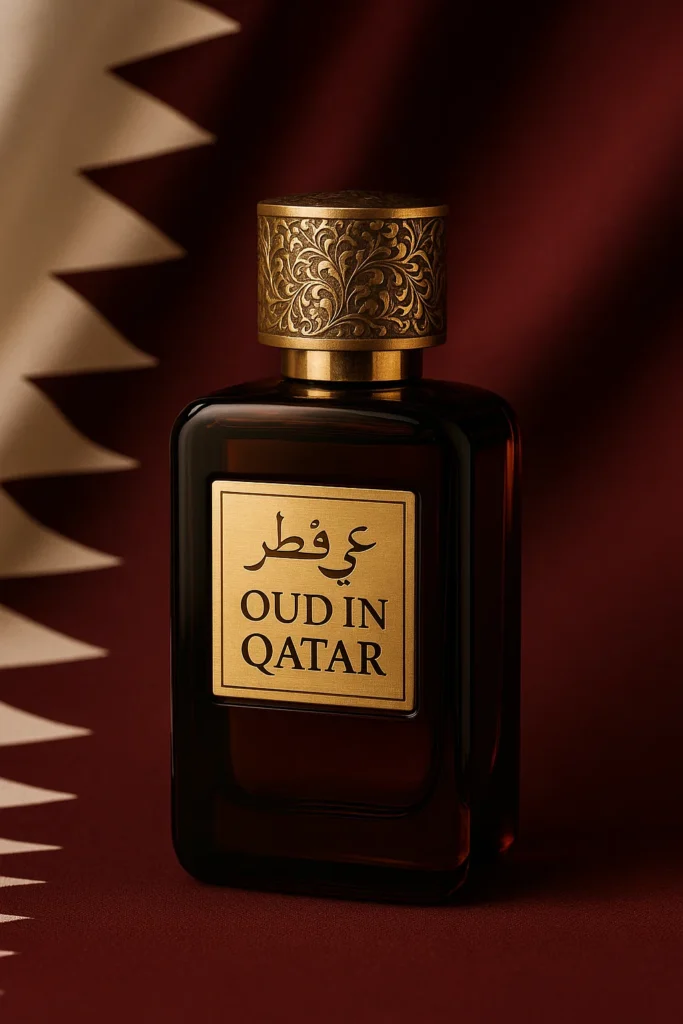
Discover Qatar’s captivating signature scent – the distinctive aroma of oud. This aromatic essence comes from dark, fragrant agarwood and holds a special place in Arab traditions and culture, symbolizing luxury, spirituality, and heritage. Oud is cherished in homes, mosques, and special occasions, offering an olfactory experience unlike any other.
The Origin of Oud in Qatar
Oud is derived from the Southeast Asian agar (Aquilaria) tree. When a tree becomes infected with a particular type of mold, it produces a sweet, fragrant resin known as ‘liquid gold’ to protect itself. Older trees yield high-quality resin, sometimes requiring centuries of growth to produce a profoundly fragrant extract.
In Qatar, oud is used in various forms: bukhoor wood chips, oil-based oud, carvings, and prayer beads. Bukhoor powder is often burned as incense, while oud oils are blended with other fragrances such as Indian rose and orange blossom to create rich, lasting perfumes.
Fascinating Facts About Oud
- Luxury value: First-grade agarwood can cost as much as $100,000 per kilogram, making it a symbol of prestige.
- Historical use: Oud has been utilized since 1400 B.C.E for spiritual, medicinal, aromatherapy, and perfumery purposes.
- Rarity: Only 2% of agarwood trees naturally produce oud resin, contributing to its exclusivity and high value.
Exploring oud in Qatar is more than a sensory experience—it’s a journey into the heart of Arab heritage, where tradition, luxury, and artistry converge.
Bukhoor
Visit any souq or home in Qatar, and you’ll be greeted with the fragrant, smoky aroma of bukhoor or incense. In Qatar, this rich scent is more than just fragrance – it’s a symbol of hospitality, tradition, and daily rituals woven deeply into the cultural fabric.
Signature fragrance of the Arab world
Bukhoor is a traditional incense made from wood chips or powder infused with fragrant oils like oud, rose, sandalwood or musk. It is commonly used in the Arab world to scent homes, clothing, and gatherings. Oud oil, one of the key ingredients, is extracted from the resin of the Agarwood tree, which forms when the tree is naturally infected with a specific type of mould.
- Meaning of the wordBukhoor originates from the Arabic word bakhur, which means incense.
- Mabkhara censerBukhoor is typically burned in an ornate incense burner.
- A welcoming scentA smouldering bukhoor is passed around the majlis to welcome guests.
Culture & History of Qatar
Ancient Heritage
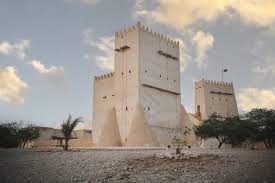
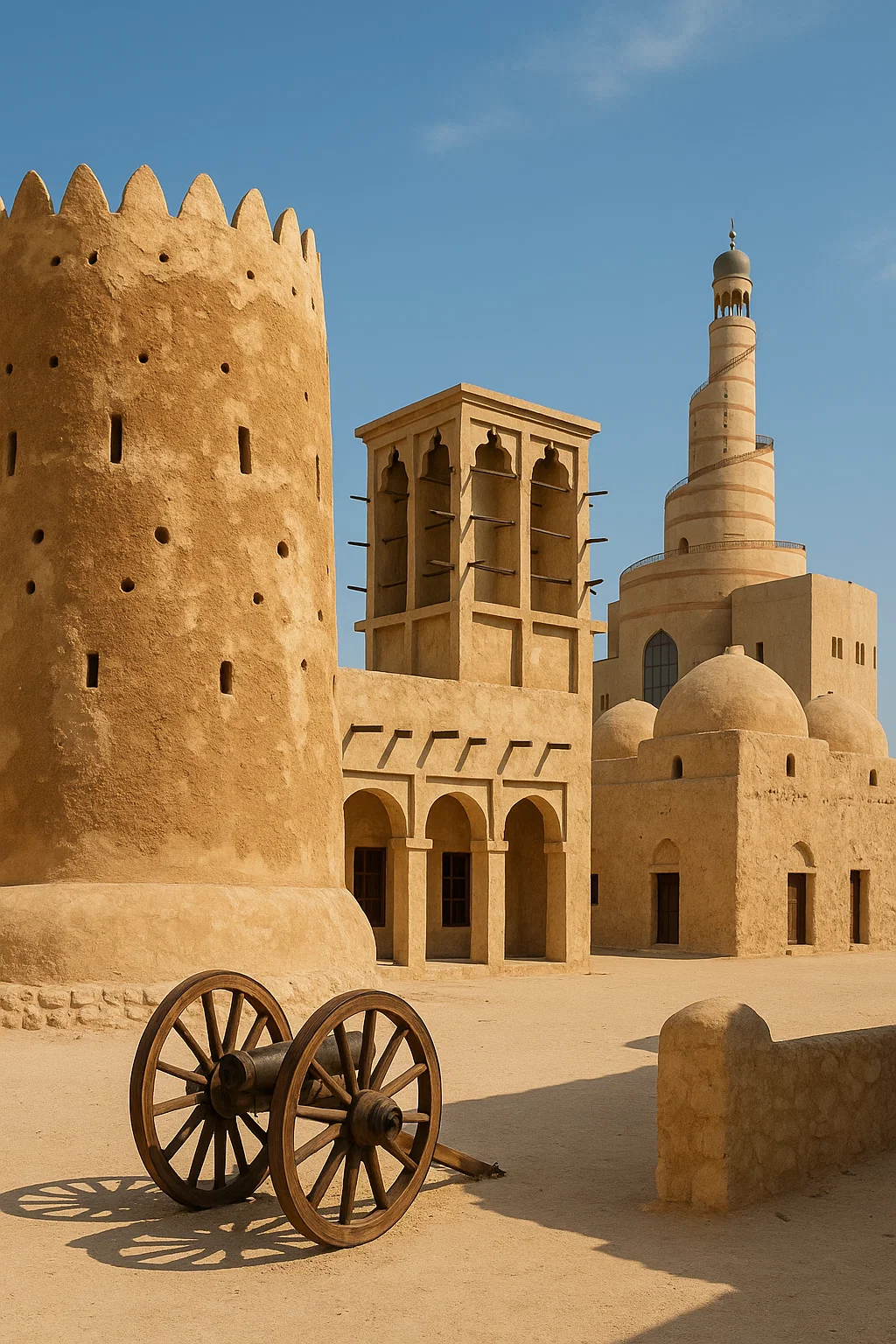
Qatar’s history dates back thousands of years with evidence of Bedouin tribes, pearl diving traditions, and trade across the Arabian Gulf.
Early Settlements
Fishing, herding, and seafaring shaped the lives of early Qataris. Archaeological sites like Al Zubarah highlight Qatar’s historic role in trade.
Modern Qatar
In 1971, Qatar gained independence and began its journey toward becoming one of the richest nations in the world through oil and natural gas.
Rich Culture
Qatar is proud of its Islamic traditions, Arabic hospitality, falconry, dhow sailing, and vibrant arts & cultural festivals held year-round.
Global Recognition
With museums like the Museum of Islamic Art, Katara Cultural Village, and hosting the FIFA World Cup 2022, Qatar continues to share its culture with the world.
An Introduction to Qatar’s Culture & Qatar’s History
Qatar, a small peninsula nestled in the heart of the Arabian Gulf, has a history that dates back thousands of years. From its ancient Bedouin tribes to becoming a prosperous modern state, Qatar’s history is rich with stories of survival, innovation, and cultural resilience.
Cultural Heritage

Traditional Clothing
Qatar’s traditional clothing reflects its cultural heritage, with men wearing the ‘Thobe’, a long white robe, and women donning the ‘Abaya’, a black, flowing gown, often paired with a niqab or hijab.
Architecture
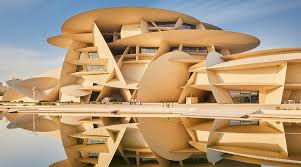
Qatar’s architecture beautifully blends modern skyscrapers with traditional Arabian design, featuring Islamic-inspired domes, arches, and intricate tile work alongside innovative glass buildings like the iconic Museum of Islamic Art.
Music & Dance
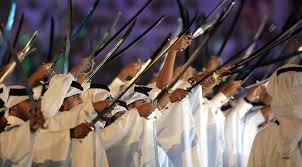
Traditional Qatari music is deeply influenced by Bedouin culture, with instruments like the oud and tabla, while Al Arda, a lively war dance, is performed at cultural events, celebrating strength, unity, and heritage.
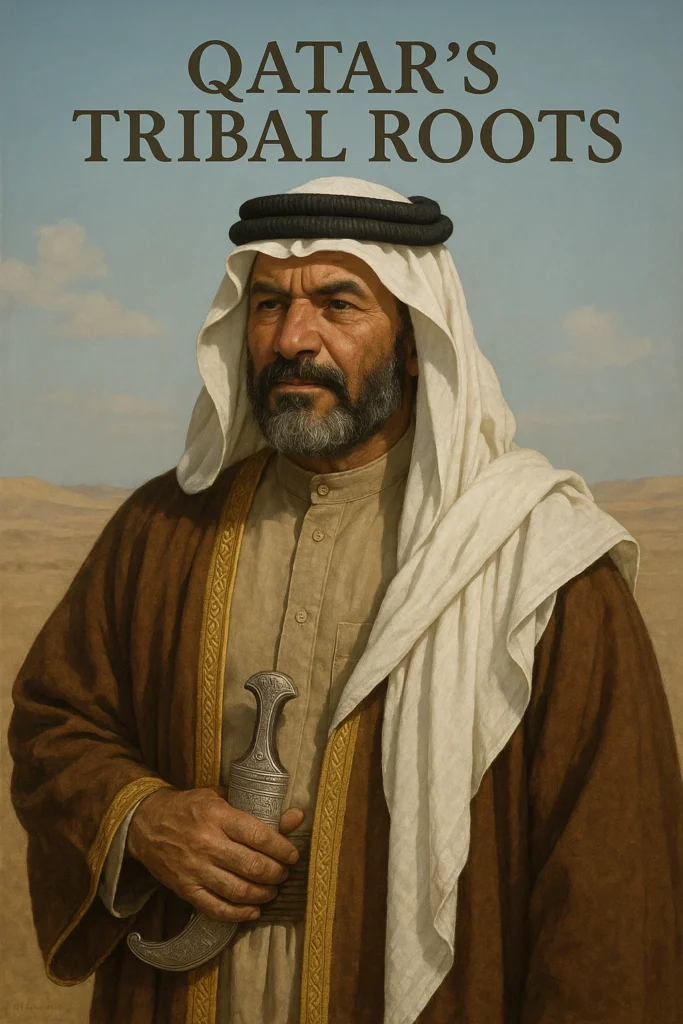
The Bedouin Legacy: Qatar’s Tribal Roots
The Bedouin tribes, who once roamed the deserts of Qatar, are the true founders of its cultural identity. Their values of hospitality, resilience, and unity are still celebrated today in Qatari society.
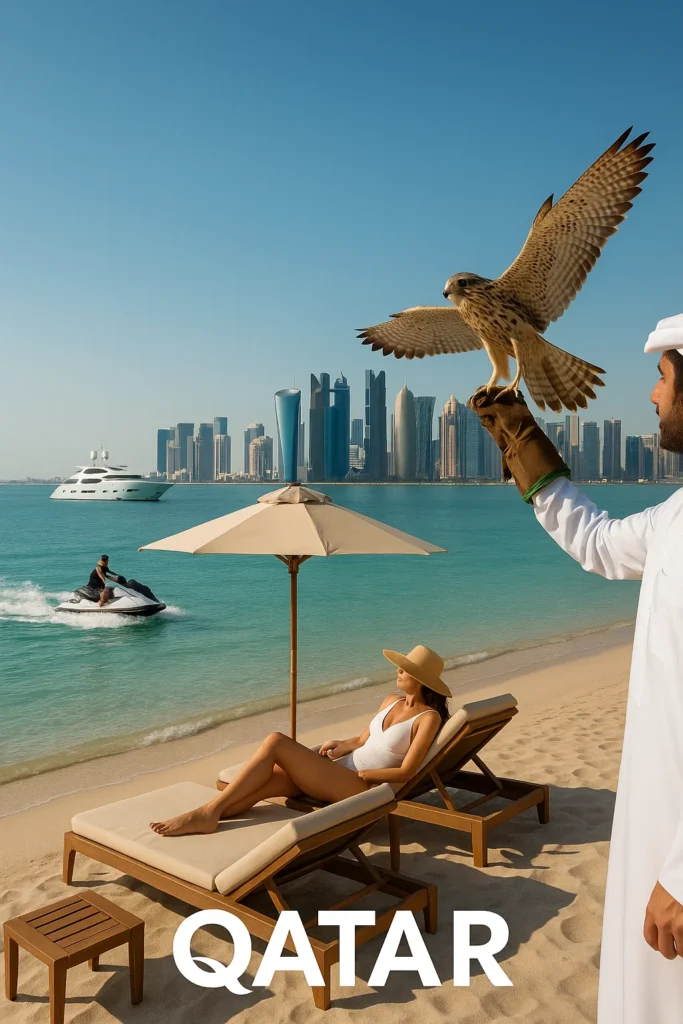
Modern Qatar: A Blend of Tradition and Innovation
Today, Qatar is known for its innovative spirit and world-class developments, from the futuristic Doha skyline to hosting global events like the FIFA World Cup 2022. Despite rapid modernization, Qatar continues to preserve its deep cultural heritage, ensuring that its traditions live on for generations.
Festivals & Events: A Celebration of Culture
Qatar National Day (December 18): A celebration of Qatar’s independence and the founding of the state.
Doha Film Festival: Celebrating cinema and creativity from around the world.
Qatar International Food Festival: Showcasing Qatar’s diverse culinary scene.
Qatar International Art Festival: Highlighting contemporary art and cultural exchange.
Festivals & Events: A Celebration of Culture
Qatar hosts a wide variety of cultural festivals and events throughout the year, showcasing art, food, music, and traditions from around the world.
Doha Cultural Festival
An annual event featuring Qatari music, poetry, folk dances, and traditional art exhibitions.
Qatar International Food Festival
A popular food event with international cuisines, live cooking shows, and family activities.
Katara Traditional Dhow Festival
Held at Katara Cultural Village, celebrating Qatar’s maritime heritage with dhow sailing and cultural performances.
Ajyal Film Festival
Organized by the Doha Film Institute, highlighting local and international films with youth participation.
Qatar Sports Day
A national holiday where people take part in sports, fitness activities, and outdoor events.
Eid Celebrations
Qatar celebrates Eid Al-Fitr and Eid Al-Adha with family gatherings, traditional feasts, and cultural shows.